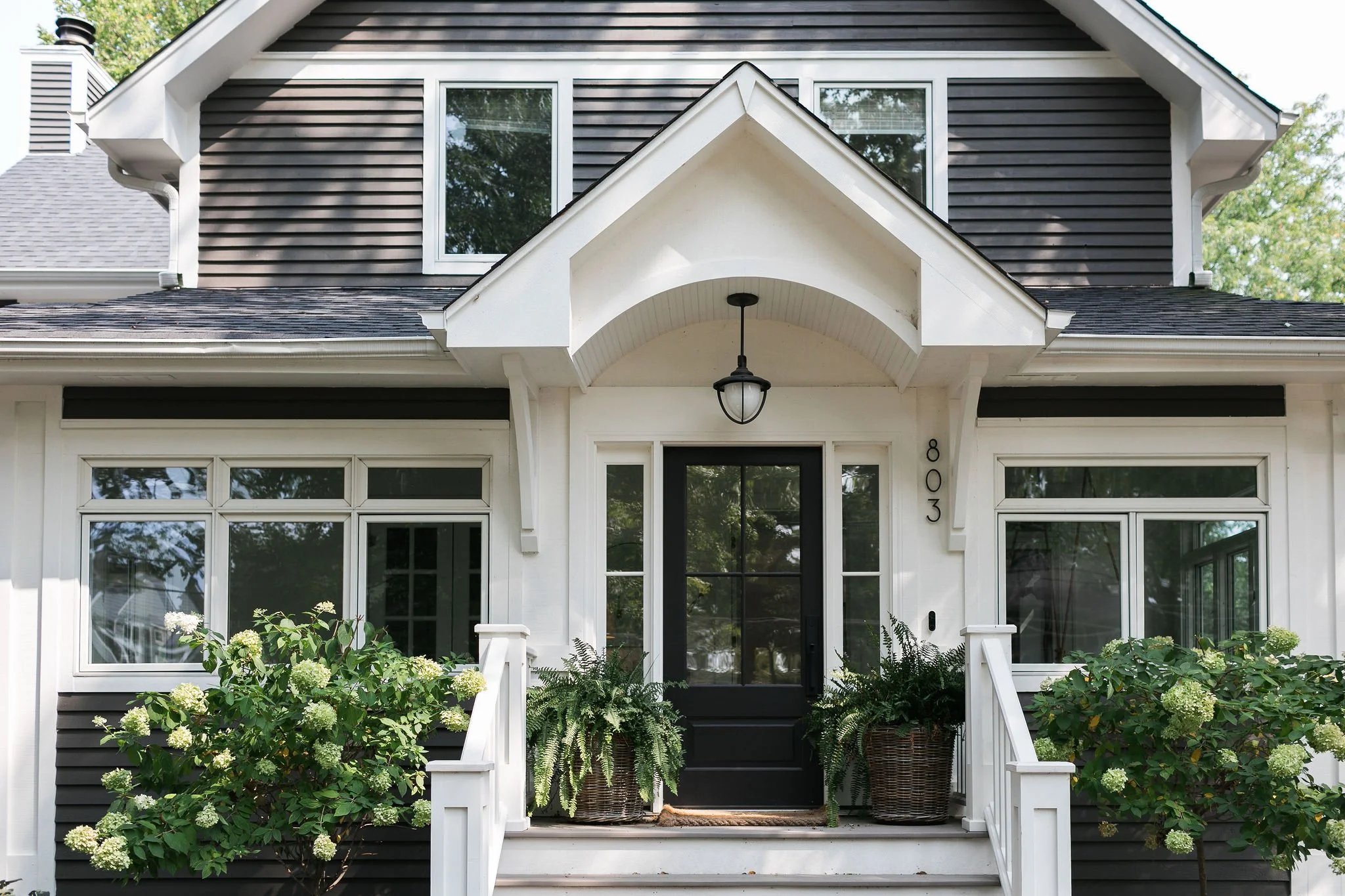
Buying one home and selling another home at the same time:
Your North Seattle Options
By Sarah Rollinger, Seniors Real Estate Specialist, Lake & Company Real Estate. Updated November 27, 2026.
The short answer: you have five paths: sell first, buy first, buy once your home is under contract (a pending sale), buy with a contingent offer, or line up both closings. The right one depends on your equity, your loan approval, and how much overlap feels comfortable. Most families can make one move, not two.
Should you sell your house before buying another one? It's the question I hear most from homeowners ready for what's next. Finding your next home before this one sells is stressful. There are ways to make it simpler. Here are your options in plain words, with real North Seattle numbers.
At a glance
Buying and selling at a glance
5
YOUR PATHS
Sell first, buy first, pending sale, contingent, or lined up.
$900,000
EDMONDS MEDIAN
The median home sale price in Edmonds in October 2026.
$220,000
20% DOWN
A 20% down payment on a $1,100,000 next home.
1 move
THE GOAL
With the right path, most families move once, not twice.
Source: NWMLS via InfoSparks, residential, October 2026 data, pulled November 26, 2026.
Your options
Your five paths
Every buy-and-sell move fits one of five paths. Here's each one in a sentence.
Sell first: you know your number before you shop, and your offer on the next home is clean.
Buy first: you secure the next home, move once, then sell an empty, ready house.
Buy with a pending sale: your home is already under contract, so the seller sees your buyer lined up. It's a stronger offer than a contingent one.
Buy with a contingent offer: your purchase depends on your home selling by a set date.
Line them up: both sales close near each other, sometimes on the same day.
The sections below walk through how each one works, what it costs, and when it fits.
Selling first
Should I sell my house before buying another one?
Selling first means you know exactly what you have to spend. Sellers like a clean offer with no strings, so your offer on the next home is stronger.
The trade-off is timing. You may need a place to land between homes. Ways to cover the gap:
Rent-back: you stay in your home after closing and pay the buyer rent for a set time.
Longer closing: you ask for 45 to 60 days instead of 30.
Short-term rental: a furnished place for a month or two, near school or work.
Selling first often fits when your equity is your down payment.
What if my house sells before I find a new one?
Good news, with a timing puzzle. You can ask for a rent-back, set a longer closing date when you accept the offer, line up a short-term rental, or store your things and stay with family for a few weeks. The best time to plan this is before you list, not after the offer comes in.
Buying first
Can I buy a house before selling mine?
Often, yes. Buying first means one move, on your schedule, and an empty house that's easier to prep and show. The question is how to carry two homes for a short time. Ask your lender which of these you qualify for:
Bridge loan: a short-term loan against your current home's equity, repaid when it sells.
Home equity line of credit: opened before you list, used for the down payment, paid off at closing.
Buy-before-you-sell programs: some lenders and companies advance your equity or back your offer so it reads like cash.
Savings or other assets: the simplest, when it's available.
Each one has costs and rules. A good lender will lay them side by side for you.
Pending sale or contingent offer: which is stronger?
A pending sale is the stronger offer. Your home is already under contract, so the seller sees your buyer lined up, and your purchase depends only on that sale closing. A contingent offer depends on your current home selling by a set date, before it has a buyer. Sellers say yes to one more often when your home is already listed, your price and timeline are realistic, and the home you want has been on the market a while. In a busy spring market, a contingent offer can lose to a clean one or a pending sale. That's when buy-first tools earn their keep.
Your numbers
How much equity do I need?
Your equity is roughly your sale price minus your loan payoff and selling costs. Here's a simple example in Edmonds:
Sale price: $900,000, the Edmonds median in October 2026
Mortgage payoff: minus $380,000 (an example)
Washington excise tax: minus about $15,100
Other selling costs: minus your estimate, like agent compensation, title and escrow
Equity to bring to your next home: about $505,000, before those other costs
On a $1,100,000 next home, a 20% down payment is $220,000. In this example, the sale more than covers it.
See my excise tax page for how that tax is figured. Your lender and escrow officer confirm your real numbers.
Step by step
Doing both without losing your mind
One calm order of steps:
Talk it through: your goals, your timeline, your must-haves.
Get your numbers: a home value from me and a pre-approval from a lender.
Choose your path: sell first, buy first, pending sale, contingent, or lined up.
Prep your home: a short, prioritized list. Prep now, pay at closing programs can cover the cost.
Shop and list: in the order your path calls for.
Line up the dates: closings, possession, movers.
Move once.
A real story: the beach house
My sellers, a Shoreline family, had planned this move for years. When "the beach house" came up -- walkable, with a view -- the sellers wanted to make an offer that same day. Their own home still had to sell first.
A contingent offer can lose to a clean one, so we made this one easy to say yes to. Before it went in, their listing plan was ready, vendors were lined up, and photos were booked. I kept the beach house's listing agent informed at every step, so its owners could see the plan was real.
The sellers got the beach house. Their own home sold in 6 days, over list price, with one strong offer.
Questions
Buying and selling questions homeowners ask
Should I sell my house before buying another one?
It depends on your equity, your loan approval, and how much uncertainty feels comfortable. Selling first gives you a clean offer. Buying first gives you one move.
Can I buy a house before selling mine in Washington?
Often, yes, with a bridge loan, a home equity line, a buy-before-you-sell program, or savings. Your lender confirms what you qualify for.
What is a rent-back?
An agreement to stay in your home after closing for a set time, paying the buyer rent.
What is a home-sale contingency?
A condition in your offer that your purchase depends on your current home selling by a set date.
What is a pending sale offer?
An offer you make once your current home is under contract. Your purchase still depends on that sale closing, but the seller can see your buyer lined up, so it's stronger than a contingent offer.
How much equity do I need to buy my next home?
Enough to cover your down payment and closing costs after your loan payoff and selling costs. On a $1,100,000 home, 20% down is $220,000.
Are bridge loan costs tax deductible?
That's a great question for your CPA. It depends on your situation.

The Clear Moving Plan
Whether you're buying, selling or both, a move goes better with a plan. I've helped more than 400 North Seattle families through theirs. Here's how it works.
A no-pressure conversation about your home, your timing and what you want next. Bring your questions, or just bring the address.
1. Talk it through
An accurate value, a timeline that fits your life, and a prioritized prep list, including what to leave as-is.
2. Get a clear plan
I coordinate the prep, vendors, photography, showings and closing, and I keep you updated at every step. You focus on what's next.
3. Move forward
Want a plan for both moves?
Buying and selling in Lake Forest Park, Shoreline, Edmonds, Kenmore, Bothell or Mountlake Terrace? Tell me about the home you have and the one you want. I'll map out your path, your numbers and your timing, with no pressure. Schedule a conversation.
Not ready for a conversation yet? That's okay. Get my free Buy and Sell Guide, 12 short pages you can read at your own pace.
Prefer to text? Send me a note at (206) 475-5244 and I'll reply personally.
Sources (as of November 27, 2026)
NWMLS via InfoSparks: residential median sale price, Edmonds, October 2026 data, pulled November 26, 2026
Washington Department of Revenue: real estate excise tax: state tiers and the 0.50% local rate
Dollar examples are my own math. Your lender and escrow officer confirm your numbers.