Condo loans are changing: what buyers and sellers should know
By Sarah Rollinger, Seniors Real Estate Specialist, Lake & Company Real Estate. Updated November 26, 2026.
The short answer: for loan applications dated on or after January 4, 2027, Fannie Mae and Freddie Mac will want condo associations in buildings of more than 10 units to budget at least 15% of their dues for reserves, up from 10%. Some 2026 changes made condo loans easier, and buildings of 10 units or fewer no longer need a building review at all.
Thinking about selling your condo this winter or spring? Most buyers use a loan, and with a condo, the building has to qualify for that loan, not just the buyer. The good news: a little homework on your building now can make the sale much smoother. Here's what's changing, in plain words, and what you can do about it.
At a glance
Condo lending changes at a glance
Jan 4
RESERVES RISE
January 4, 2027: buildings over 10 units need reserves of at least 15% of the budget, up from 10%.
Aug 3
FULL REVIEWS
Since August 3, 2026, buildings over 10 units get a full lender review.
10 units
NO REVIEW NEEDED
Since March 18, 2026, buildings of 10 units or fewer skip the building review. The old cutoff was 4.
$275
RESALE CERTIFICATE
Washington's cap on what your association can charge for the resale certificate a seller provides.
Sources: Fannie Mae Lender Letter LL-2026-03; Freddie Mac Bulletin 2026-C; RCW 64.90.640. Links to every source are at the bottom of this page.
Coming soon
What changes on January 4, 2027
Fannie Mae and Freddie Mac buy or back a large share of U.S. home loans, so their rules decide which condos many buyers can finance. On March 18, 2026, both announced a bigger savings cushion for condo buildings. This change is final, not a proposal.
Reserves are the money your association sets aside for big future repairs, like a roof, siding or an elevator. For loan applications dated on or after January 4, 2027, a building with more than 10 units has to budget at least 15% of its yearly dues income for reserves. Today the bar is 10%.
Instead of the budget test, an association can use a reserve study, which is a professional's long-range plan for repairs. To count, the study has to be no more than 3 years old, and the association has to fund it at the highest level the study recommends.
In June 2026, the National Association of Mortgage Brokers asked regulators to delay this date. As of November 18, 2026, I haven't seen a delay announced, so plan on January 4.
Already here
What already changed in 2026
Some of this year's changes made condo loans easier. Here's what is already in effect:
March 18, 2026: buildings of 10 units or fewer no longer need a building review for a Fannie Mae or Freddie Mac loan. The old cutoff was 4 units.
March 18, 2026: the 50% investor limit no longer applies to established buildings, so a building where many units are rented out can still qualify.
March 18, 2026: the building's roof can be insured at actual cash value, which can lower the association's insurance cost.
July 1, 2026: the master policy deductible can be no more than $50,000 per unit. If that policy has a per-unit deductible, the buyer also needs their own condo policy, called an HO-6.
August 3, 2026: the shorter "limited" building reviews ended. Buildings over 10 units now get a full review, which asks the association more questions.
For you as a seller, a full review mostly means your buyer's lender will ask your association for its budget, insurance details and answers about repairs. A well-organized association makes that part easy.
Still true
Repair rules, FHA and VA
Since 2023, Fannie Mae and Freddie Mac haven't allowed loans in buildings with unfinished critical repairs. That includes a building with:
serious structural problems or major deferred maintenance
a special assessment for a critical repair that isn't finished yet
an order to leave the building, or a lawsuit about its safety or structure
FHA and VA loans
FHA: the core condo rules didn't change. The building still needs FHA approval, which lasts 3 years and usually requires at least 50% of the units to be owner-occupied. In May 2026, HUD made it simpler for lenders to request approval for one unit in some buildings whose FHA approval had lapsed. HUD says this isn't a wider condo program.
VA: I found no VA condo changes from 2024 through 2026. VA still approves whole buildings, not single units.
Washington
Washington rules for selling a condo
Washington adds its own steps, and 2026 brought a few updates:
Resale certificate: before your buyer signs, you give them a resale certificate from your association. The association has 10 days to provide it and can charge you up to $275. An update within 6 months is $100 or less.
The buyer's right to cancel: if your buyer gets the certificate 5 business days or less before signing, they can cancel within 5 business days of receiving it. Ordering it early protects your timeline.
New since June 11, 2026: the certificate has to include the association's full reserve study and its most recent audit, if there is one.
Reserve studies: state law asks associations to update the reserve study every year, with a professional site visit at least every 3 years. It sets no funding level, so the lender rules above are the number to watch.
Coming January 1, 2028: Washington's Uniform Common Interest Ownership Act will apply to every condo, including older buildings.
Questions about your contract or the certificate are a good fit for a real estate attorney. I'm happy to help you know what to ask.
Get ready
How to get ahead of it
If you're selling your condo in 2027:
Ask your association manager for this year's budget and how much of it goes to reserves. 15% or more is the number lenders will look for.
Ask whether the reserve study is less than 3 years old and fully funded.
Ask about any special assessments, big repairs or lawsuits.
Order your resale certificate early, so your buyer has time to read it.
If you're buying a condo:
Ask your lender early whether the building qualifies for your loan type.
Read the reserve study and audit in the resale certificate before the cancel window closes.
Every building is different, and so is every town. To compare everyday costs, see my Edmonds cost of living and Shoreline cost of living pages.
Questions
Condo lending questions sellers ask
When do the new reserve rules start?
For Fannie Mae and Freddie Mac loans with applications dated on or after January 4, 2027. A buyer who applies before then is reviewed under the 10% rule.
What does "warrantable" mean?
It's lender shorthand for a condo building that meets Fannie Mae and Freddie Mac rules. A warrantable building opens the door to the widest range of buyers and loans.
Does this affect FHA or VA buyers?
The 15% reserve rule comes from Fannie Mae and Freddie Mac. FHA and VA have their own building approvals, and I found no changes to their core condo rules in 2026.
How do I check whether my building meets 15%?
Ask your association manager for the current budget. Divide the yearly reserve contribution by the yearly dues income. If it's under 15%, ask whether the board plans to raise it.
Who pays for the resale certificate?
In Washington, the seller does. The association can charge up to $275, and up to $100 for an update within 6 months.
Will Washington require Florida-style building inspections?
As of November 18, 2026, I haven't found a Washington law requiring regular structural inspections of condo buildings. Lenders still ask about critical repairs.
Can I still sell if my building doesn't qualify?
Yes. Cash buyers and some lenders that keep loans in-house don't follow Fannie Mae and Freddie Mac rules. Your pool of buyers may be smaller, so it helps to know early and plan for it.

The Clear Moving Plan
Whether you're buying, selling or both, a move goes better with a plan. I've helped more than 400 North Seattle families through theirs. Here's how it works.
A no-pressure conversation about your home, your timing and what you want next. Bring your questions, or just bring the address.
1. Talk it through
An accurate value, a timeline that fits your life, and a prioritized prep list, including what to leave as-is.
2. Get a clear plan
I coordinate the prep, vendors, photography, showings and closing, and I keep you updated at every step. You focus on what's next.
3. Move forward
Getting ready to sell your condo?
Getting ready to sell in Lake Forest Park, Shoreline, Edmonds, Kenmore, Bothell or Mountlake Terrace? I'll look at your building's numbers with you and build a simple plan, so the lending rules are one less thing to worry about. Schedule a conversation.
Not ready for a conversation yet? That's okay. Learn more about two other changes sellers should know: the new home appraisal and Washington's excise tax tiers for 2027.
Prefer to text? Send me a note at (206) 475-5244 and I'll reply personally.
Sources (as of November 18, 2026)
FHFA: Fannie Mae and Freddie Mac remove certain homeowners insurance requirements (March 18, 2026)
Fannie Mae: Lender Letter LL-2026-03 (project standards, insurance, 15% reserves)
Fannie Mae: Selling Guide announcement SEL-2026-07 (August 5, 2026)
Fannie Mae Selling Guide: ineligible projects (critical repairs)
Fannie Mae Selling Guide: waiver of project review (10 units or fewer)
Fannie Mae Selling Guide: Full Review process (reserves and reserve studies)
Freddie Mac: condominium unit mortgage FAQ (Bulletin 2026-C changes)
HUD: FHA INFO announcements (FHA INFO 2026-10, May 20, 2026)
HUD: 2019 FHA condo rule (3-year approval, owner-occupancy)
Washington RCW 64.90.640: resale of units (resale certificate, fee cap, right to cancel)
Washington ESHB 1500, 2026 session law (reserve study and audit in the certificate)
Washington ESSB 5796 bill report (condo law applies to all condos in 2028)
National Association of Mortgage Brokers: letter asking for a delay (June 15, 2026)
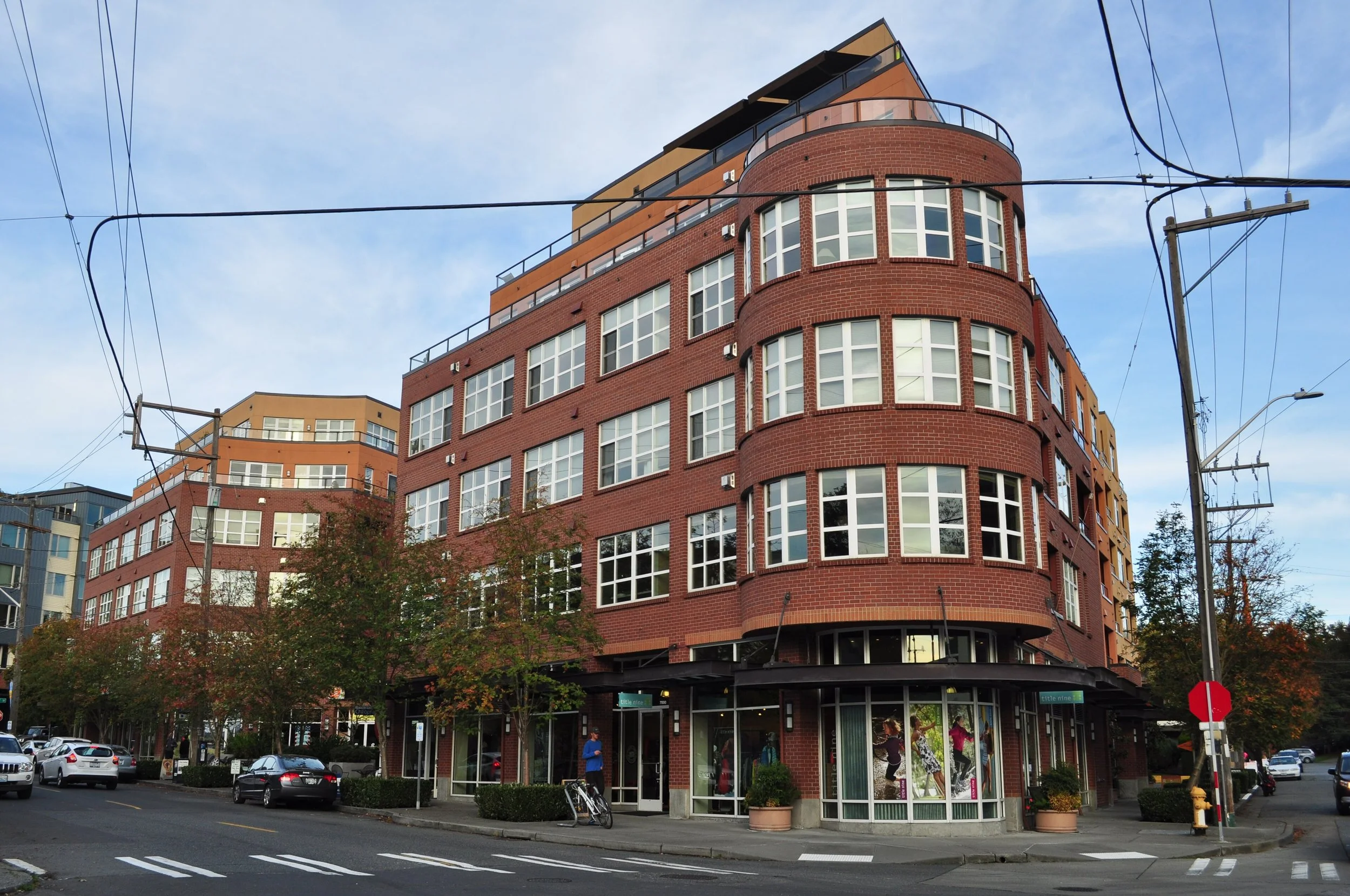
Top photo: Circa building, Green Lake by Joe Mabel, CC BY 3.0, via Wikimedia Commons
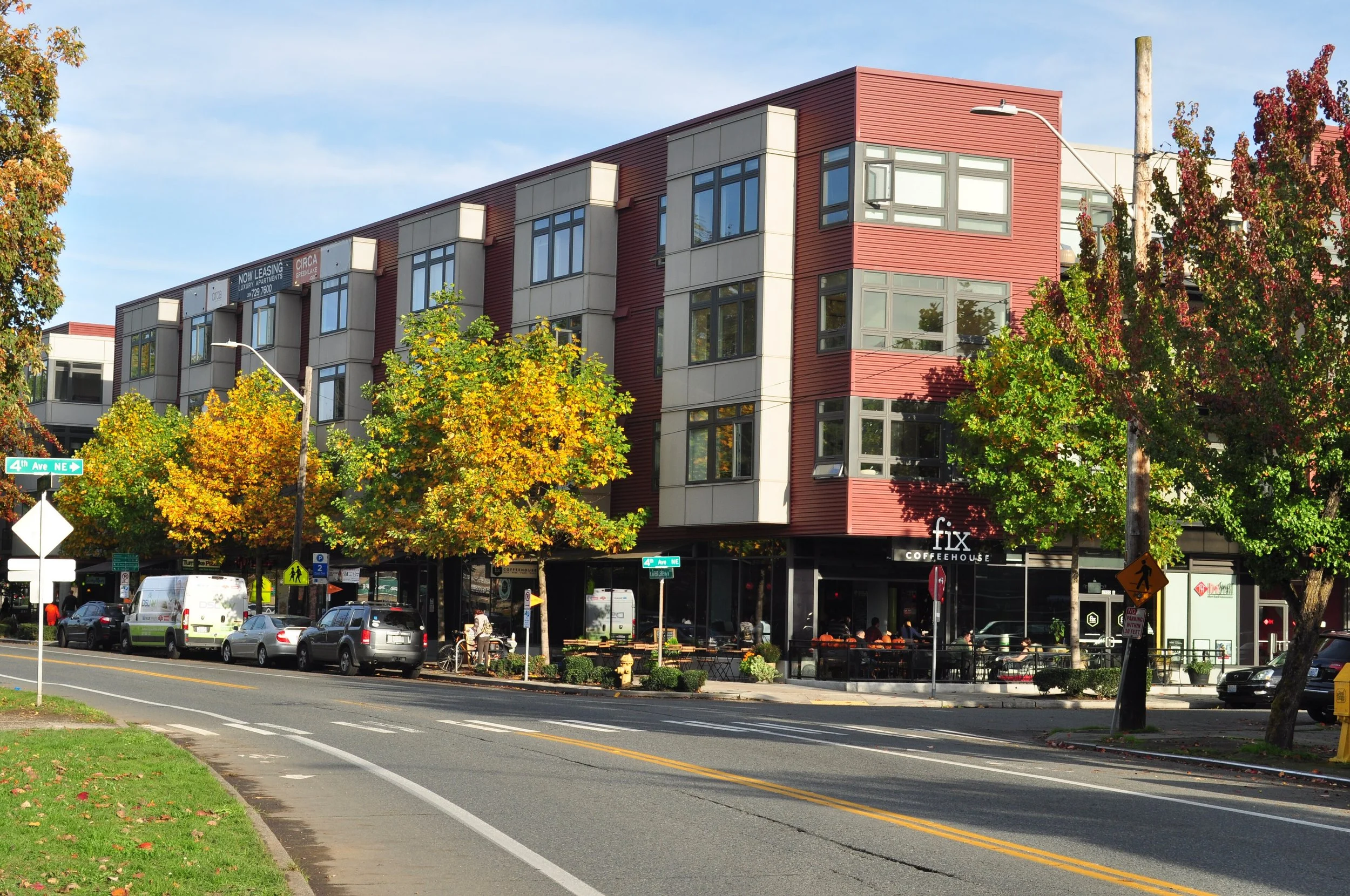
Bottom photo: 7000 Woodlawn Ave NE, Green Lake by Joe Mabel, CC BY 3.0, via Wikimedia Commons